AUGMENTED SYNERGY FOR ACCURATE & PARAMETRIC PROJECTS
CAD-BIM & AI CONVERGENCE: Reliability - Benefit - Innovation
By Markus Hormaza
ARCHITECTURE
Through the VECTRUM spin-off, detailed architectural models, construction details, and standardized architectural drawing sets are developed. In addition, surveys of existing buildings are carried out to produce As-Built documentation, with a focus on procedures before urban planning authorities. Artificial intelligence enables the anticipation of spatial performance, the creation of virtual collaborative environments, and the optimization of design decision-making.
MINIMALIST FURNITURE IN INDUSTRIAL ARCHITECTURE

| | Project: MINIMALIST FURNITURE IN INDUSTRIAL ARCHITECTURE | | Date: 10/15/2025 | | Development by: Markus Hormaza, representative of ASAP PROJECTS © | | Objective: Architectural 3D modeling at LOD 300 level of detail, technical documentation, and rendering of CNC-manufactured furniture in MDF and melamine-laminated particleboard, with a focus on formal synthesis, functionality, and spatial coherence within an industrial-style architectural environment | | Design Phase: Architectural Development and Visualization | | Skills: Computer-Aided Technical Drafting (CAD), 3D modeling, furniture parametrization, shop drawing documentation, architectural representation, and rendering with natural and artificial lighting | | Project Scope: Design and digital modeling of architectural kitchen furniture for a modern industrial building, emphasizing the technical exposure of building systems and the contemporary materiality of the space | | General Description: The project develops architectural furniture modeling using MDF and melamine-laminated particleboard, with standardized modularity for CNC cutting. The spatial composition is based on an interrupted “U” layout that generates an island functioning as a dining area and the functional axis of the space. The project is distinguished by the use of “inverted reclining chairs,” directly bolted to the slab-on-grade, an original and unusual design in contemporary interior design inspired by equestrian posture. This innovation aims to promote active ergonomics, social interaction, and an aesthetic reinterpretation of the kitchen as a gathering space | | Copyright: Original work. All rights reserved | | Software: AutoCAD | | Applicable Standards: NTC 6050 (Kitchen furniture), ISO 7170 (Structural requirements), NFPA 13 (Automatic sprinklers), NFPA 70 (Electrical installations), RETIE (Colombian Technical Electrical Code), NSR-10 (Architecture), ANSI/BIFMA X5.5 (Furniture testing) | | Design Requirements: LOD 300 modeling, ensuring dimensional accuracy, CNC manufacturing optimization, and texture definition consistent with the industrial environment. Exposed conduit routing is integrated in compliance with RETIE and NFPA 70, as well as automatic fire detection and suppression using upright sprinklers. Lighting and mechanical ventilation are modeled in accordance with the open-plan character of the space and the absence of a suspended ceiling | | Skills: CAD technical drafting, parametric 3D modeling, shop drawing development, architectural code interpretation, and architectural visualization | | Required Expertise: Architectural design, technical interior design, CNC manufacturing, digital modeling, applied ergonomics, and coordination with MEP systems | | Technologies Used: 3D CAD (AutoCAD), native rendering, parametric modeling, architectural lighting simulation | | LOD (Level of Detail): LOD 300 (geometric accuracy, connections, and materials suitable for fabrication) | | Designed Components: Base and wall kitchen modules, central island with dining area, melamine work surfaces, auxiliary technical furniture, inverted reclining chairs bolted to the slab-on-grade, lightweight metal support structures, exposed ventilation ducts, exposed electrical conduits, and suspended luminaires | | Generated Documentation: 2D construction drawings, 3D AutoCAD model, architectural renders, CNC cutting layouts, assembly details, and materials specification | | Materials: MDF and melamine-laminated particleboard (beige, olive, Ibiza), structural metal tubing, electrical conduits, recessed accessories, and concealed internal fastening devices (no visible hardware) | | Considerations: This project is framed within the “Minimalist Furniture Design in Industrial Architecture” approach, where technical exposure of building systems and material purity prevail. Traditional hardware is excluded; modules use concealed internal fastening devices to maintain visual cleanliness. The furniture is architecturally integrated into the space, preserving the structural reading of exposed concrete walls and the absence of a suspended ceiling, which reveals various installations through hanging supports. The innovation lies in the “inverted reclining chair,” a utility model developed as a functional and aesthetic reinterpretation not contemplated in current interior design standards, emphasizing the relationship between ergonomics, structure, and applied creativity | | Attribution: “New York at night” with Microsoft Bing AI | | Contact: Markus Hormaza, hormazamarkus@gmail.com | | Rights: ASAP PROJECTS © All rights reserved | |
BIM INTEGRATION IN BUILDING DESIGN
![BIM BUILDING PROJECT [GIF].gif](https://static.wixstatic.com/media/61b593_fa4bf1ee2124432f8866c7bbf11f1f1a~mv2.gif)
| | Project: BIM INTEGRATION IN BUILDING DESIGN | | Date: 10/22/2025 | | Prepared by: Markus Hormaza, representative of ASAP PROJECTS © | | Objective: Development and digital coordination of a multidisciplinary 3D building model at LOD 350, integrating architecture, structure, MEP systems, and urban design—from earthworks to connections with public utility infrastructure—ensuring interoperability, traceability, and clash-free coordination through comprehensive review in Navisworks | | Design Phase: Functional design and multidisciplinary BIM coordination | | Skills: Architectural and structural modeling, MEP integration, BIM information management, clash detection, parametric modeling, technical documentation, and generation of coordinated deliverables | | Project Scope: Digital design and collaborative BIM modeling of a building, covering topography and foundations through technical installations and finishes, including road design, external utility connections, and functional modeling in compliance with national and international standards | | General Description: The project implements the BIM (Building Information Modeling) methodology across all design disciplines, enabling the creation of a unified and coherent building model. Compatibility between structural, electrical, plumbing, and mechanical systems is ensured through simulations and interdisciplinary reviews in Navisworks. Models are developed under criteria of geometric accuracy, element coding, and regulatory compliance, oriented toward digital construction and proactive construction planning | | Copyright: Original work. All rights reserved | | Software: AutoCAD, Revit, Navisworks, Civil 3D, MS Project | | Applicable Standards: ISO 19650 (BIM information management), NSR-10 (Structures and architecture), RETIE and NTC 2050 (Electrical installations), NTC 1500 (Plumbing systems), NFPA 13 (Automatic sprinklers), NFPA 70 (National Electrical Code), ACI 318 (Structural concrete), ASTM A36 (Steel), BIM Colombia Manual | | Design Requirements: LOD 350 modeling with precise geometric definition, accurate representation of connections, anchors, and MEP components; clash detection and resolution; interoperable construction documentation and version control | | Required Expertise: Technical architecture, structural engineering, MEP systems, BIM management, multidisciplinary coordination, digital quality control, and experience in standardization and virtual construction | | Technologies Used: Revit (multidisciplinary BIM modeling), Navisworks (clash detection and coordination), Civil 3D (terrain and roadway modeling), AutoCAD (2D documentation), MS Project (scheduling), CDE platforms (Common Data Environment) | | LOD (Level of Detail): LOD 350 (elements with defined geometry, assembly, and exact placement within the construction model) | | Designed Components: Earthworks, shallow and deep foundations, structural systems, enclosures, roofing, MEP systems (electrical, plumbing, HVAC, fire detection and suppression), urban design, and connections to public infrastructure | | Generated Documentation: 2D construction drawings, discipline-specific LOD 350 BIM models, clash detection reports, quantity takeoffs, technical specifications, schedules, and architectural visualizations | | Materials: Structural concrete (f’c = 3000–4000 psi), ASTM A36 structural steel, structural masonry, PVC/CPVC/PEX piping, galvanized metal ductwork, THHN electrical conductors, prefabricated elements, and modular finishes | | Considerations: The project prioritizes digital integration and BIM interoperability across all phases, eliminating information duplication and preventing construction errors. Active coordination processes between disciplines are applied through periodic reviews of federated models. The model serves as a foundation for 4D and 5D planning, ensuring technical and construction efficiency | | Attribution: Comprehensive CAD–BIM coordination developed by ASAP PROJECTS © | | Contact: Markus Hormaza — hormazamarkus@gmail.com | | Rights: ASAP PROJECTS © All rights reserved | |
COMMERCIAL INTERIOR DESIGN FOR THE BEAUTY CARE SECTOR
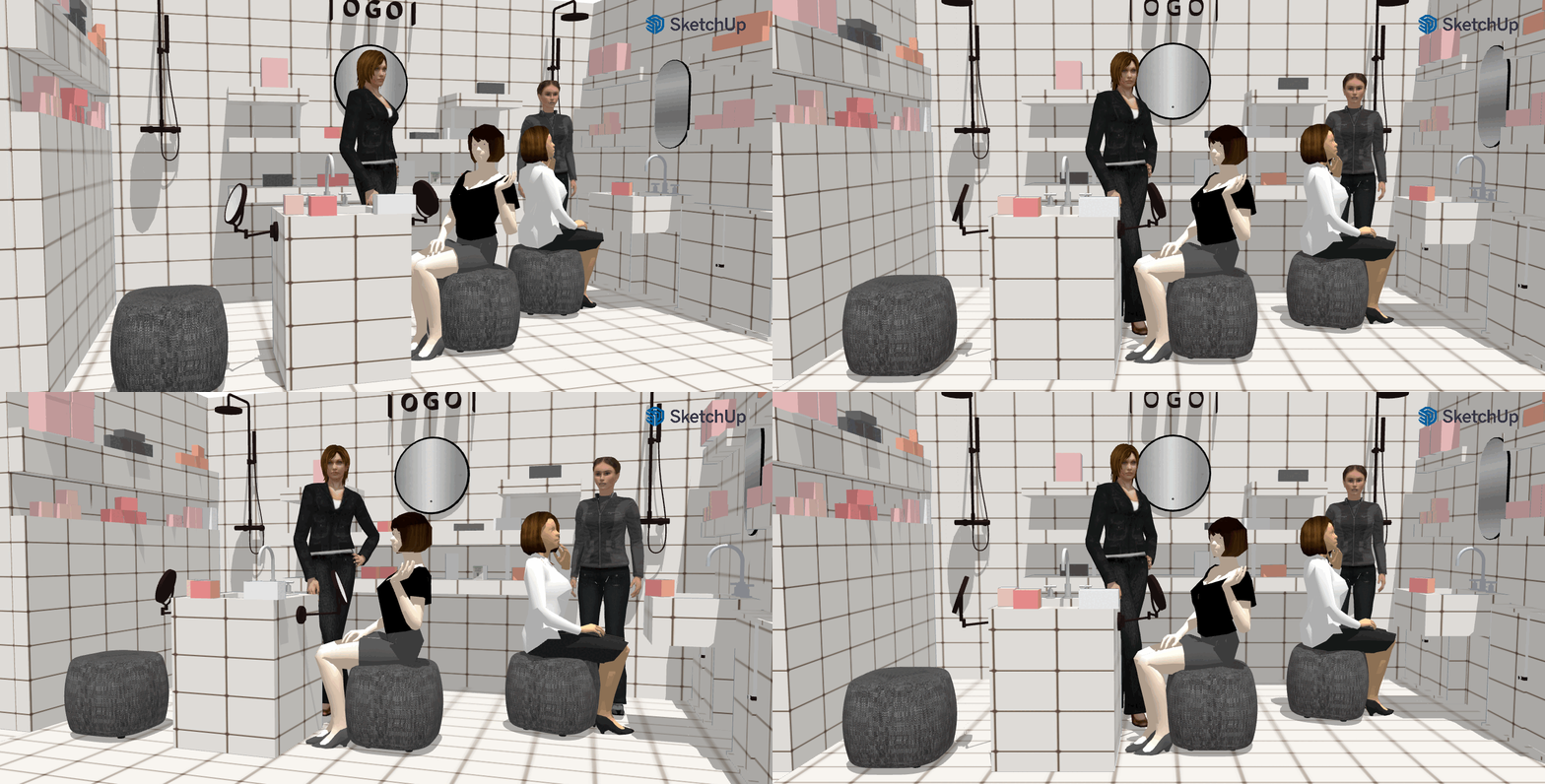
| | Project: COMMERCIAL INTERIOR DESIGN FOR THE BEAUTY CARE SECTOR | | Date: 09/17/2021 | | Prepared by: Markus Hormaza, representative of ASAP PROJECTS © | | Client: Brand Experience Designer for a luxury fashion brand franchise | | Objective: To develop a minimalist architectural design for a commercial cosmetics exhibition, focused on maximizing the visual experience for clients. The goal is to create a clean, functional, and aesthetically impactful space that reflects the brand’s simplicity and elegance, highlighting the displayed products while allowing efficient circulation. The project aims to integrate CAD/BIM technologies to ensure a detailed representation of the concept and guarantee that the space complies with specific commercial regulations | | Design Phase: Conceptualization and interior design development for the commercial exhibition (As-Built based on initial survey) | | Project Scope: The project includes the architectural design of the exhibition area, from the survey of interior spaces to the integration of minimalist design elements. Detailed plans will be created, including sections, elevations, and the layout of commercial furniture and decorative elements. The design will focus on clean lines, clear surfaces, and high-quality materials, using a neutral color palette with subtle contrasting accents. Special attention will be given to both natural and artificial lighting to enhance the cosmetics on display | | Applicable Regulations: International commercial interior design standards (IFDA – International Furnishings and Design Association), ANSI/BIFMA for furniture. Compliance with accessibility and safety regulations for commercial spaces | | Design Requirements: The design must incorporate minimalist principles, using materials and forms that convey simplicity, elegance, and functionality. Furniture should be modular, allowing adaptation and flexibility according to the displayed products. Priority will be given to open spaces, hidden storage solutions, and a layout that permits smooth circulation between exhibition points. Lighting will be key to highlight the textures and colors of the cosmetics | | Skills Involved: Commercial interior design, minimalist furniture design, circulation planning in commercial spaces, integration of modular display solutions, CAD-based digital modeling | | Technologies Used: Computer-Aided Design (CAD) | | LOD (Level of Detail): LOD 200, ensuring geometric accuracy for all design components, from furniture to decorative elements and their interaction with the space | | Designed Components: Modular minimalist furniture design, planning of neutral color palettes and simple textures, integration of hidden storage solutions, and proposals for both accent and ambient lighting. The use of smooth surfaces and low-maintenance materials is fundamental to meet functionality and aesthetic requirements | | Documentation Produced: CAD plans and models with technical specifications for each interior design component, including furniture layouts, textures, lighting fixtures, and circulation plans. Immersive visualizations of the final design and recommendations for implementing the minimalist style will be included | | Software: SketchUp | | Considerations: The design aims to create a space where cosmetics are the main focus. The minimalist style emphasizes purity of form, creating a modern, elegant, and exclusive environment for clients. The combination of clean lines and high-quality materials reflects the brand’s sophistication and enhances the shopping experience | | Contact: Markus Hormaza, hormazamarkus@gmail.com | | Rights: ASAP PROJECTS ©. All rights reserved | |
ARCHITECTURAL SURVEY AND DIGITIZATION
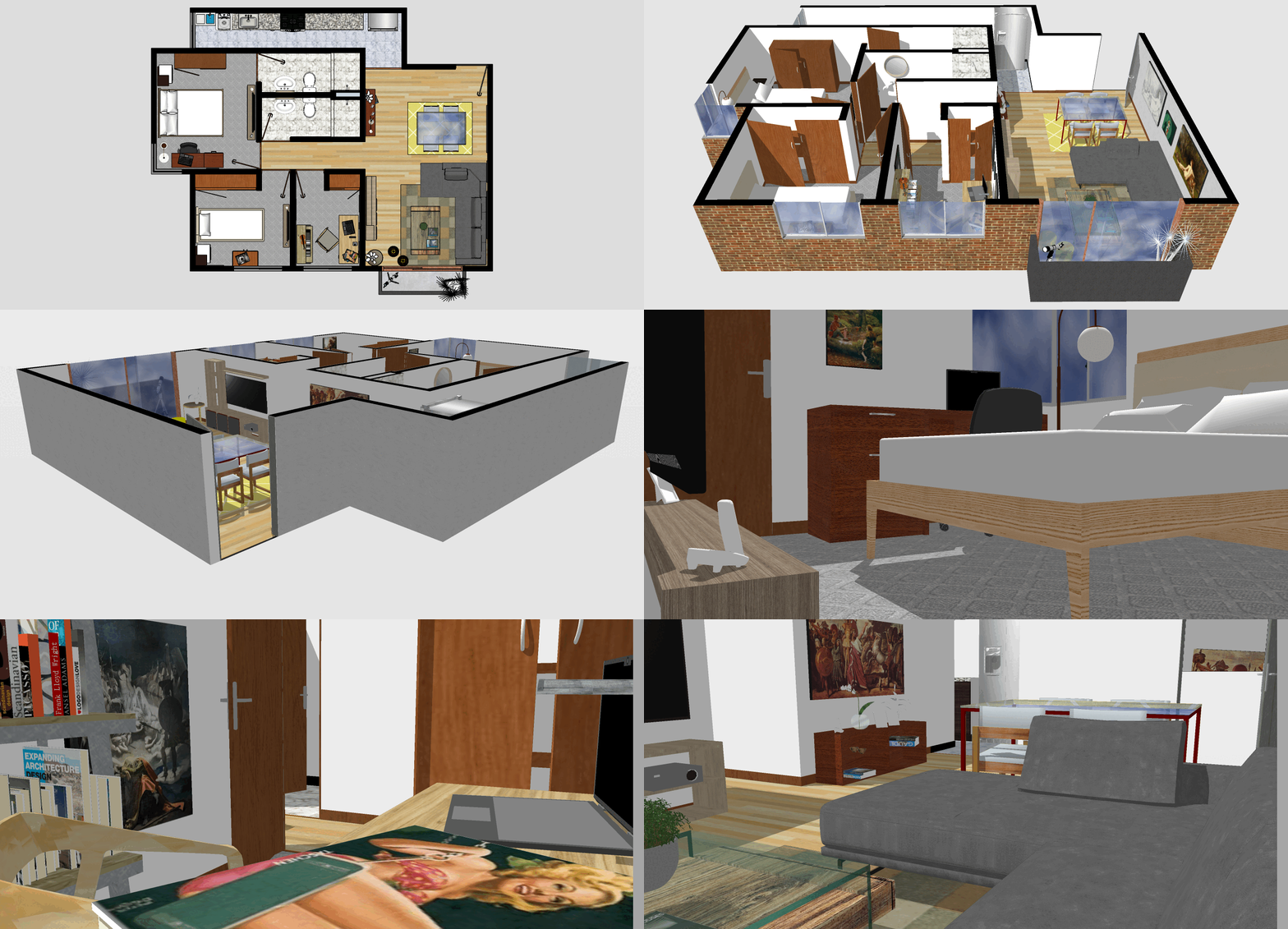
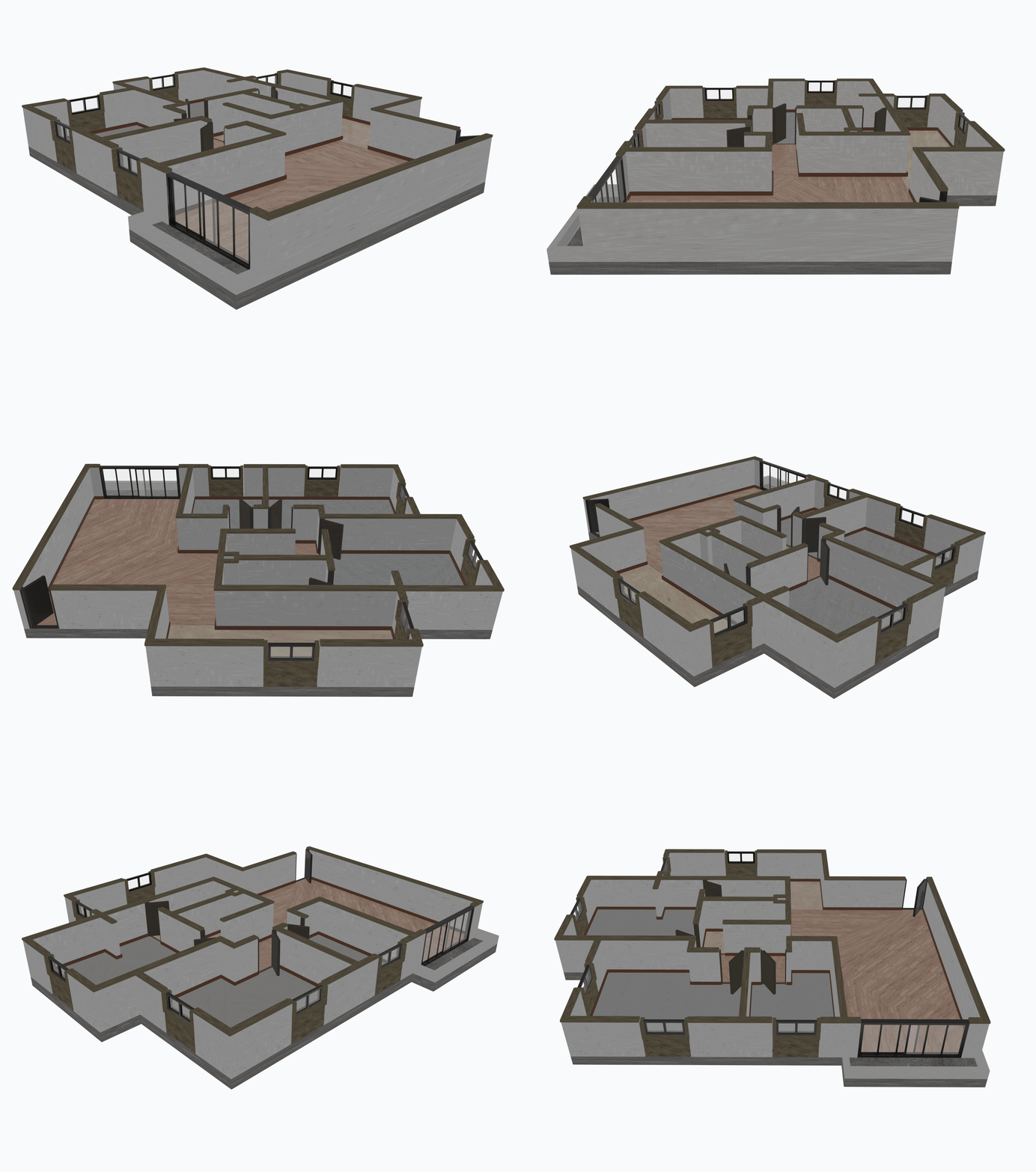
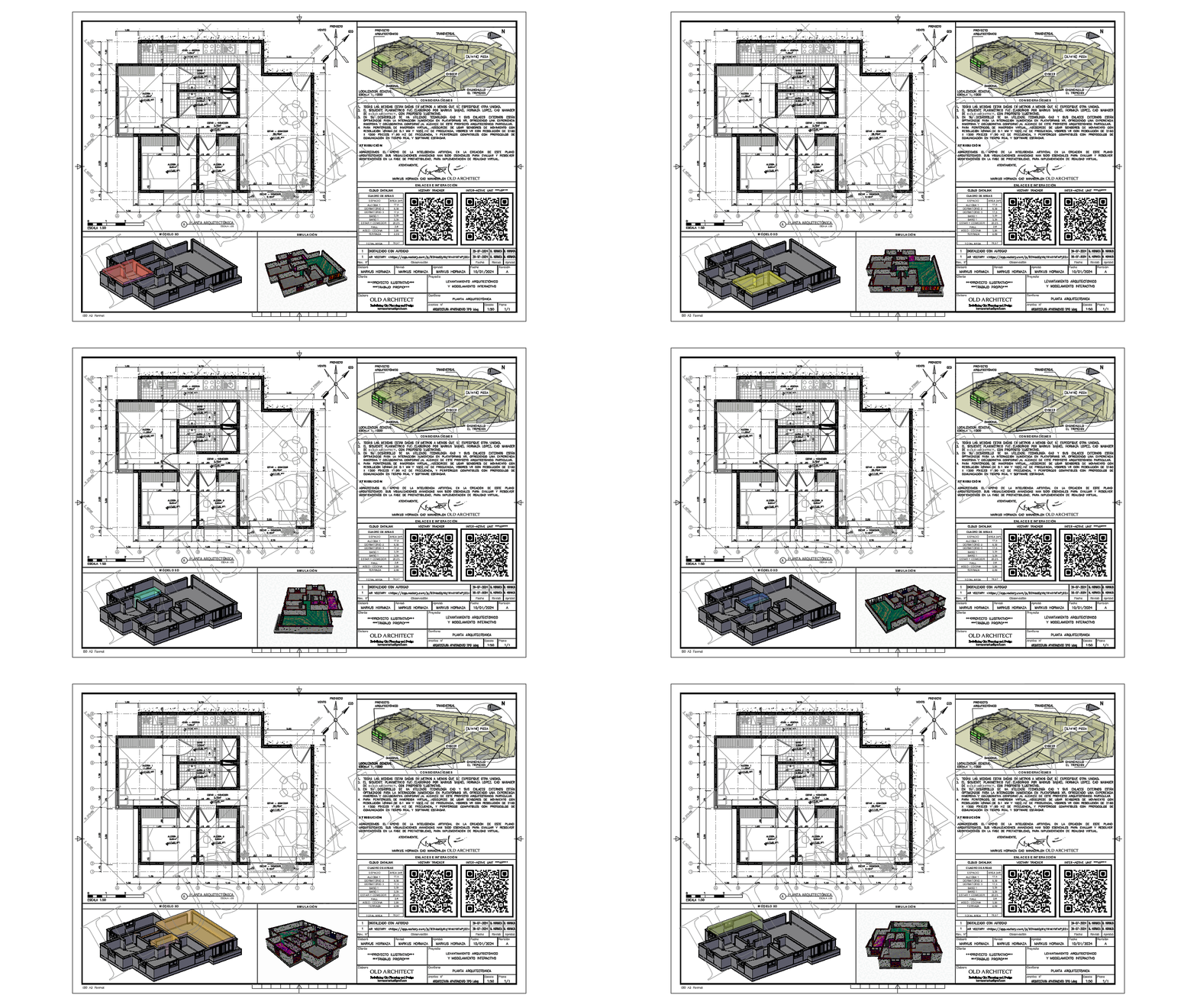
| | Project: ARCHITECTURAL SURVEY AND DIGITALIZATION | | Date: 07/30/2022 | | Prepared by: Markus Hormaza, representative of ASAP PROJECTS © | | Objective: To carry out a comprehensive architectural survey of an urban property using manual measurement methods and its subsequent digitalization within a CAD/BIM environment. The implementation of CAD and BIM technologies ensures geometric and documentary accuracy, facilitating future integration into smart building management systems. Additionally, the project anticipates the incorporation of AI-based immersive interactive models for architectural visualization and simulation | | Design Phase: As-Built | | Project Scope: The project covered the capture of architectural and dimensional data through manual measurement, graphically represented in CAD and BIM environments. Precise technical documentation was produced, including floor plans, elevations, sections, and construction details. The resulting 3D models enable the planning of future architectural interventions, as well as the prospective implementation of immersive simulation technologies supported by artificial intelligence for an interactive property experience | | Applicable Standards: AIA (American Institute of Architects), NIBS (National Institute of Building Sciences), NSR-10 (Colombian Seismic-Resistant Code) | | Design Requirements: Dimensional surveying of the property was performed using high-precision measuring tapes, ensuring the reliability of manually obtained measurements. The collected data were subsequently digitized in CAD/BIM software, applying technical symbology and parametrization in accordance with international and national standards. The use of these technologies guarantees data integrity throughout the project life cycle, facilitating their application in future design or construction phases | | Skills: Manual architectural surveying, 3D modeling in CAD and BIM, precise digitalization of existing structures, integration of architectural symbology in compliance with ISO, AIA, and NSR-10 standards. Knowledge of urban planning and Colombian construction regulations | | Technologies Used: AutoCAD, SketchUp, Autodesk Revit, Navisworks, and Vectary. Planned future implementation of AI for interactive architectural models and immersive visualizations using augmented reality (AR) and virtual reality (VR) | | LOD (Level of Detail): LOD 300, including precise geometry based on manual measurement and relevant attributes for architectural and structural documentation | | Designed Components: Manual digitalization of property dimensions, exterior and interior architectural structures. The parametric model was developed in accordance with architectural regulations to ensure data interoperability and documentary accuracy | | Generated Documentation: Architectural drawings in CAD and BIM formats, a 3D model of the urban property based on manual survey, and a library of parametric objects. Technical documentation includes detailed drawings and a digitalization report compliant with BIM standards and local regulations | | Software: AutoCAD, SketchUp, Autodesk Revit, Navisworks, Vectary, Inc. | | Attributions: Except for the work listed below, images used in the architectural setting originate from the Public Domain on Wikimedia and WikiArt.org. Attributed resource: “BRIGITTE BARDOT AT A COCKTAIL PARTY IN 1968,” M. Bernanau. No modifications. Licensed under CC BY 3.0 https://creativecommons.org/licenses/by/3.0, via Wikimedia Commons | | Considerations: Manual surveying using measuring tape was crucial for accurately capturing the property’s dimensions, ensuring data reliability during the digitalization stage. Furthermore, the integration of AI and immersive technologies provides an advanced interactive experience that supports decision-making in architectural and urban management projects | | Contact: Markus Hormaza, hormazamarkus@gmail.com | | Rights: ASAP PROJECTS ©. All rights reserved | |
COMMERCIAL INTERIOR DESIGN FOR A BOHEMIAN RESTAURANT

![INTERIORISMO COMERCIAL [DETALLES] POR MARKUS HORMAZA](https://static.wixstatic.com/media/61b593_b4f22b2899ec4b09aef9e56d1cb47310~mv2.gif)
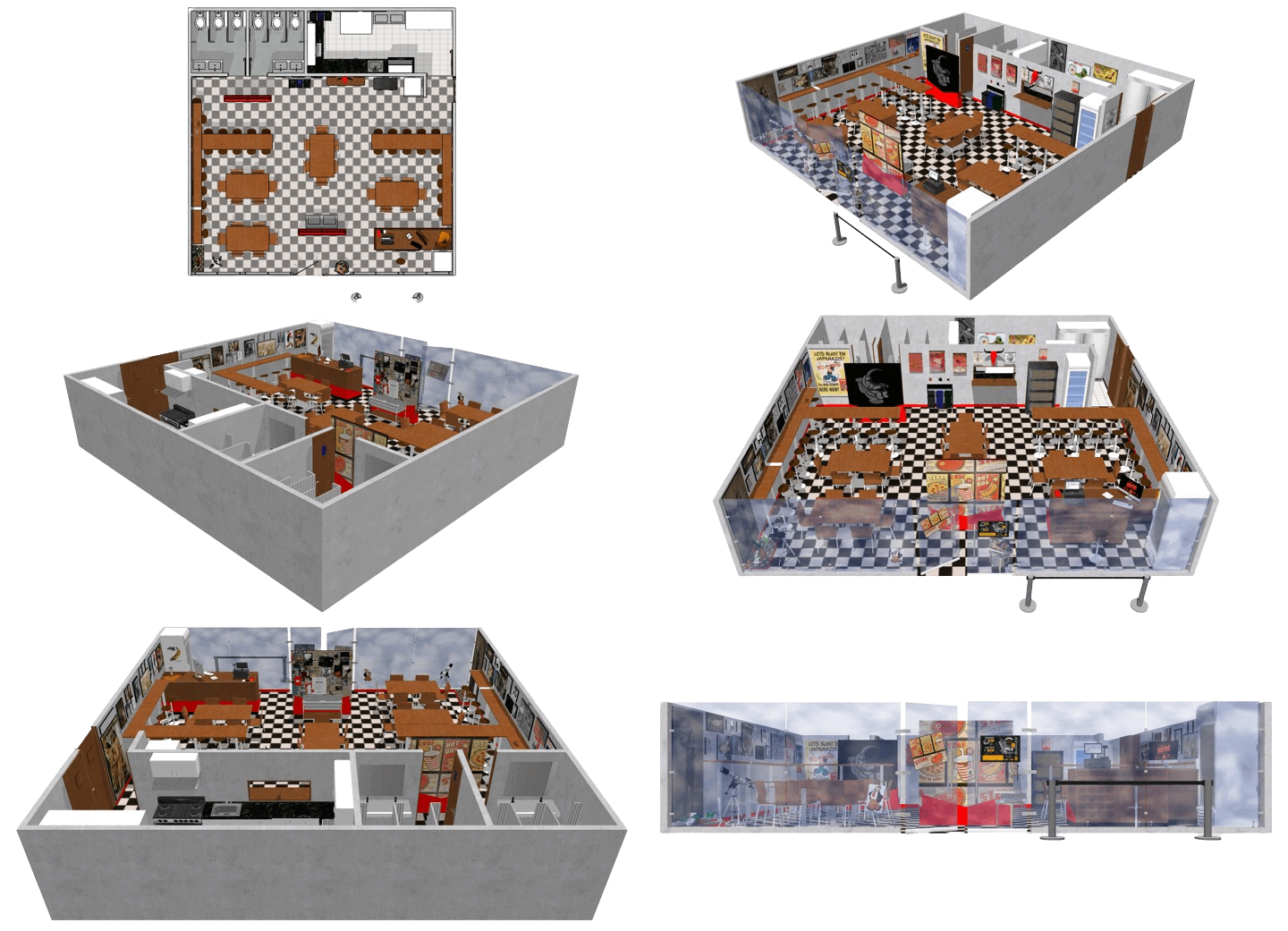
| | Project: COMMERCIAL INTERIOR DESIGN FOR A BOHEMIAN RESTAURANT | | Date: 10/07/2024 | | Prepared by: Markus Hormaza, representative of ASAP PROJECTS © | | Client: Architectural furniture company | | Objective: To develop a comprehensive commercial interior design for a fast-food restaurant, aimed at creating an environment that blends Boho and Retro trends. The project seeks to transform the space into a visually appealing, classic, and historical setting distinguished by its artistic character, comfort, and functionality, providing warmth to diners. The implementation of CAD/BIM technologies and immersive tools enables a detailed representation of the concept, ensuring aesthetic and spatial coherence. Additionally, the design optimizes pedestrian flow within the restaurant, ensuring compliance with specific interior design regulations for access, circulation, operation, and safety in commercial spaces | | Design Phase: Conceptualization and interior design development (As-Built based on initial survey) | | Project Scope: The project covers the architectural survey of interior areas, incorporating artistic design solutions aligned with Boho and Retro trends. Detailed drawings are produced, including sections and elevations, defining the layout of furniture, artwork, decorative elements, and lighting fixtures, with an emphasis on natural materials, geometric patterns, and classic color schemes. The design also includes planning for staff and customer circulation, optimizing user experience within a visually immersive environment | | Applicable Regulations: International commercial interior design standards (IFDA – International Furnishings and Design Association), ANSI/BIFMA standards for furniture | | Design Requirements: The design integrates characteristic elements of Boho style (neutral textures and finishes) with Retro details (polished metal furniture and luminaires, vibrant colors such as oranges and yellows, and classic accessory forms). The use of hanging décor referencing literary works highlights an eclectic blend of intellectual, bohemian, and nostalgic influences, creating a warm and relaxed atmosphere suitable for a fast-food restaurant located in a historic district | | Skills Involved: Artistic interior design, commercial furniture design, integration of decorative elements under stylistic trends (Boho/Retro), CAD/BIM digitalization and 3D modeling, circulation planning in commercial spaces, and compliance with interior design regulations | | Technologies Used: AutoCAD, SketchUp, Autodesk Revit, Vectary, along with immersive visualizations using virtual reality (VR) to simulate the artistic environment. Planned future implementation of artificial intelligence (AI) to adjust decorative elements in real time based on user feedback | | LOD (Level of Detail): LOD 300, ensuring geometric accuracy across all design components, from furniture to decorative elements and their interaction with the space | | Designed Components: Thematic furniture planning, selection of Boho/Retro color palettes and textures, integration of musical, historical, and literary elements as part of the interior design, and proposals for lighting and graphic ambiance. Neutral, low-maintenance finishes were selected to meet the requirements of high customer turnover | | Generated Documentation: CAD drawings and BIM models with technical specifications for each interior design component, including furniture layouts, textures, lighting fixtures, and circulation diagrams. The design report also includes immersive visual simulations and recommendations for implementing Boho trends | | Software: AutoCAD, SketchUp, Autodesk Revit, Vectary, Inc., with integration of interactive models for final design visualization and simulation | | Attributions: Except for the works listed below, images used in the architectural ambiance originate from the Public Domain on Wikimedia Commons and WikiArt. Attribution for Freepik: “MENU,” Pikisuperstar. No modifications. Licensed under CC BY 3.0 https://creativecommons.org/licenses/by/3.0 // “BIRTH MACHINE,” H. R. Giger. Matj Stuchlík, showing the Birth Machine sculpture by H. R. Giger. No modifications. Licensed under CC BY 3.0 https://creativecommons.org/licenses/by/3.0, via Wikimedia Commons | | Considerations: The design aims to foster a playful and welcoming atmosphere, allowing customers to enjoy fast food without sacrificing style. The combination of classic and modern elements creates an experience that celebrates fast-food culture within a distinctive artistic setting | | Contact: Markus Hormaza, hormazamarkus@gmail.com | | Rights: ASAP PROJECTS ©. All rights reserved | |
TAGS
#AutodeskInc, #CAD, #BIM, #SketchUp, #Architecture, #AIA, #IFDA, #NewYorkatNight, #BrigitteBardotataCocktailPartyin1968, #Menu, #BirthMachine, #Giger, #WikiSource, #CreativeCommons, #ASAPPROJECTS, #VECTRUM, #MarkusHormaza, #AI